




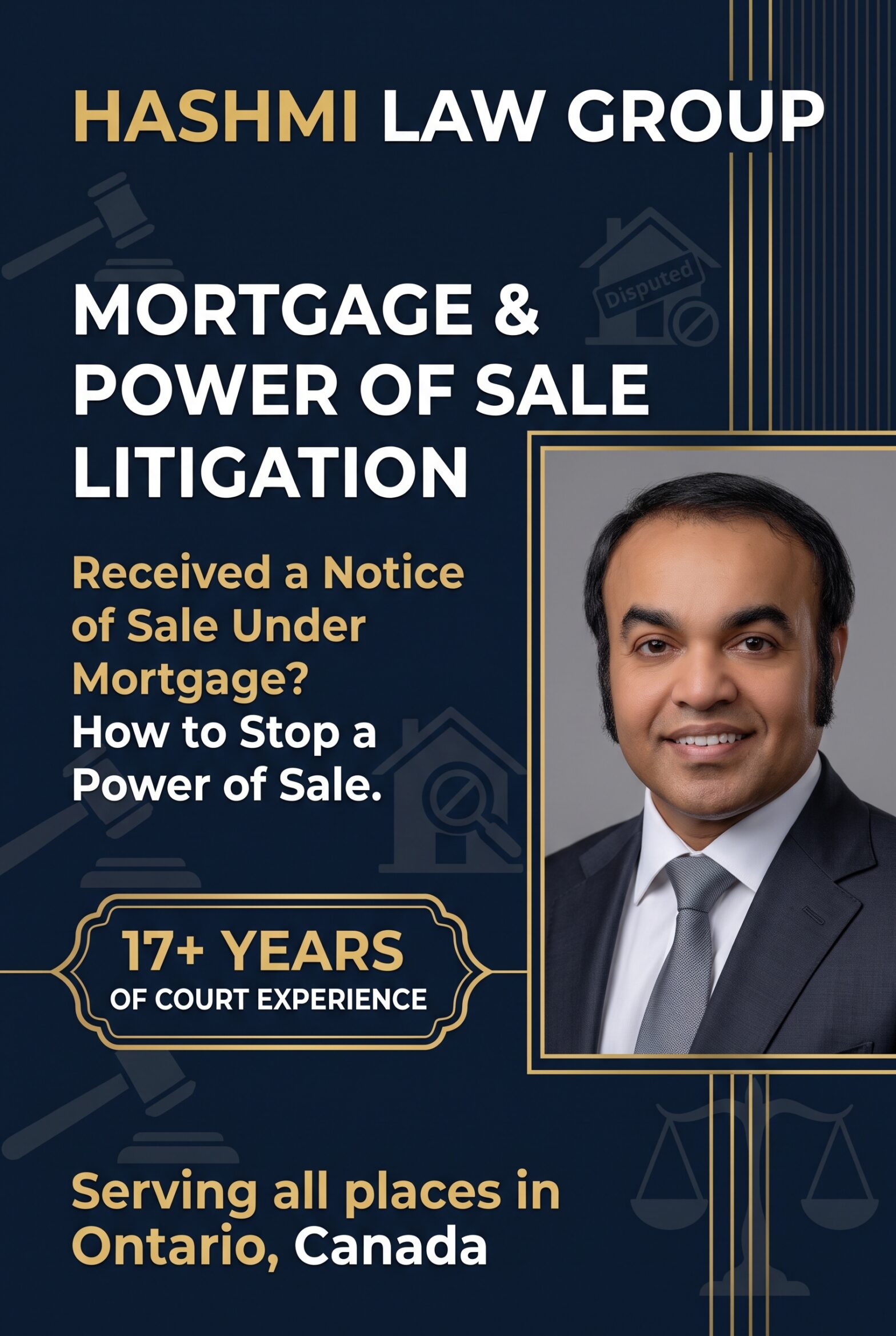
A notice of sale requires prompt attention, but it does not mean you must leave your home immediately. Depending on the mortgage, the default and the stage of enforcement, options may include bringing the mortgage into good standing, refinancing, negotiating time to sell, or seeking court relief where there is a proper legal basis.
A power of sale permits a lender to sell mortgaged property to recover amounts owing, subject to the mortgage and Ontario’s Mortgages Act. The sale process and obtaining possession are related but distinct issues.
How much notice must the lender give?
For a mortgage containing a contractual power of sale, section 32 generally requires at least 15 days of continuing default before notice is given and at least 35 days after notice before a sale. Section 37 preserves longer periods provided by the mortgage.
A statutory power of sale under Part II has different requirements, including the conditions in section 24 and at least 45 days’ notice under section 26. Court-authorized exceptions may also apply. Do not assume that every mortgage involves the same 35-day deadline.
The notice, mortgage terms, service method and any court order should be reviewed together. Section 42 generally restricts further enforcement during the period specified in a demand or notice, subject to court permission and statutory exceptions.
Does paying the arrears automatically stop the sale?
Not in every case. Reinstatement usually means curing the default so the mortgage can continue. Redemption means paying the amount necessary to discharge the mortgage. The amount required depends on whether the debt was accelerated because of default, whether the mortgage has matured, the terms of the mortgage and the stage of proceedings.
Sections 22 and 23 address relief from accelerated payment obligations when the relevant conditions are met, including payment of qualifying arrears and expenses or costs. They are not a general right to renew an expired mortgage or pay only arrears in every situation. Obtain a current written statement and legal advice about what must be paid and when.
What if the notice period has already expired?
Act immediately. The expiry of the notice period may allow the lender to advance enforcement, but it does not answer every question about the borrower’s remaining rights. A binding sale agreement with a purchaser can significantly affect the ability to redeem. Do not assume that you can wait until the closing date.
If you receive a statement of claim for payment or possession, it has its own response deadline. A notice of sale alone is not an eviction order. Court proceedings and enforcement requirements may be necessary to obtain possession, and residential tenancies involve additional protections.
What options should you discuss with a lawyer?
- Review the notice and amount claimed: Check the mortgage, service, relevant interests in the property, arrears and enforcement charges. Not every alleged error invalidates a sale.
- Assess a realistic payment plan: Consider whether available funds, refinancing or a negotiated arrangement can address the default. Obtain any extension or standstill agreement in writing.
- Consider a voluntary sale: This may be an option if timing, equity and the lender’s position permit it. Marketing the property does not itself suspend enforcement.
- Respond to litigation properly: A genuine defence or request for relief must be supported by facts and law. Filing a defence does not automatically stop a power of sale or guarantee extra time.
- Assess urgent court relief: An injunction or stay requires a proper legal and evidentiary basis. The court may impose conditions, and success is not assured.
Protect your options early
Prepare the mortgage documents, payment history, notices, lender correspondence and any court papers. Record when each document was received. A workable response depends on the actual deadlines and available funds, not simply a promise to refinance later.
Hashmi Law Group assists with mortgage litigation and enforcement disputes and real estate and mortgage litigation. Contact our office promptly to discuss a notice of sale.
Legal reference: Mortgages Act, R.S.O. 1990, c. M.40, particularly sections 22–24, 26, 31–39 and 42–43. This overview does not replace a review of the mortgage and enforcement documents.
Legal disclaimer
This article provides general educational information about Ontario law and is not legal advice. The law, procedural rules and available remedies may change, and their application depends on the facts of each case. Reading this article or contacting Hashmi Law Group does not, by itself, create a solicitor-client relationship. Do not act or delay acting solely on this information. Consult a lawyer licensed in Ontario for advice about your circumstances and applicable deadlines. No particular result is guaranteed.

